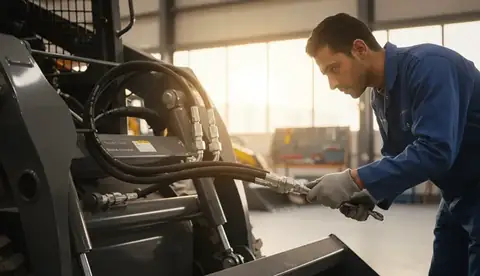
Expert Hydraulic Repair & Maintenance for Construction Equipment in Saudi Arabia
By the ETS engineering team · Dammam, Saudi Arabia

Construction Equipment Hydraulic Services in Saudi Arabia: Minimizing Downtime
Reliable hydraulic systems are essential for construction equipment operating across Saudi Arabia. Excavators, wheel loaders, mobile cranes, and other heavy machinery depend on hydraulic power to perform demanding lifting, digging, and material-handling operations.
When a hydraulic pump fails, a cylinder starts leaking, or a high-pressure hose bursts, the consequences can extend beyond one machine. Equipment breakdowns can interrupt construction schedules, reduce productivity, and increase maintenance costs.
Professional construction equipment hydraulic services help contractors identify equipment problems, repair damaged components, and implement preventive maintenance strategies to reduce the risk of unexpected downtime.
EMDAD TECHNICAL SERVICES COMPANY (ETS Arabia), based in Dammam, supports hydraulic and industrial equipment requirements across Saudi Arabia, including Riyadh.
Key Takeaways
- Hydraulic systems are essential for excavators, wheel loaders, cranes, and other construction machinery.
- Hydraulic pump, motor, cylinder, hose, and valve maintenance supports equipment reliability.
- High temperatures and airborne dust create additional challenges for hydraulic equipment in Saudi Arabia.
- Early identification of hydraulic leaks, overheating, and unusual operating noises can help prevent major failures.
- Preventive maintenance supports equipment availability and better repair planning.
- Selecting a hydraulic service provider with appropriate technical capabilities and spare parts access can reduce repair delays.
The Critical Role of Hydraulic Systems in Saudi Construction
Hydraulic machinery uses pressurized fluid to transmit power and produce mechanical movement.
Hydraulic systems allow excavators to operate booms, arms, and buckets. Wheel loaders rely on hydraulic cylinders for lifting and tilting operations, while mobile cranes use hydraulic power for various lifting and positioning functions.
The performance of these machines depends on the condition of their hydraulic components.
Important components include:
- Hydraulic pumps
- Hydraulic motors
- Hydraulic cylinders
- Directional control valves
- Hydraulic hoses and fittings
- Hydraulic reservoirs
- Hydraulic filters
- Pressure relief valves
- Hydraulic oil coolers
When these components operate correctly, equipment can deliver the pressure, flow, and movement required for its intended application.
Environmental Challenges in Dammam and Saudi Arabia
Construction equipment in Saudi Arabia frequently operates under demanding environmental conditions.
High Ambient Temperatures
Extreme heat can increase hydraulic oil operating temperatures and affect fluid viscosity.
Excessive temperature may accelerate oil deterioration, reduce lubrication effectiveness, and affect seals and other hydraulic components.
Dust and Sand Contamination
Fine dust and sand can enter hydraulic systems through damaged seals, open connections, contaminated maintenance tools, and unsuitable servicing practices.
Contamination can contribute to wear in pumps, valves, cylinders, and other precision components.
Demanding Operating Conditions
Construction machinery often operates for extended periods under heavy loads.
These conditions make appropriate hydraulic inspection, fluid maintenance, and component servicing particularly important.
Comprehensive Hydraulic Repair Services for Heavy Machinery
Construction equipment hydraulic maintenance involves several specialized service areas.
Hydraulic Pump and Motor Repair
Hydraulic pumps generate the flow required for hydraulic operation.
Pump deterioration can affect system pressure, flow, operating temperature, and machine response.
Common warning signs include:
- Unusual pump noise
- Reduced hydraulic performance
- Excessive operating temperature
- External leakage
- Slow equipment movement
- Irregular hydraulic operation
Depending on the pump condition, repair work may involve inspection, disassembly, cleaning, component replacement, reassembly, and appropriate testing.
Piston pumps, gear pumps, and vane pumps have different operating characteristics and servicing requirements.
The correct repair procedure should follow the applicable manufacturer specifications.
Hydraulic Cylinder Repair and Servicing
Hydraulic cylinders convert hydraulic pressure into linear mechanical movement.
They are widely used in excavators, loaders, cranes, lifting equipment, and industrial machinery.
Common hydraulic cylinder problems include:
- Rod seal leakage
- Damaged piston rods
- Worn seals
- Internal leakage
- Scored cylinder tubes
- Corrosion
- Abnormal cylinder movement
Depending on the component condition, hydraulic cylinder repair may involve:
- Cylinder disassembly
- Component inspection
- Seal replacement
- Piston rod assessment
- Honed tube inspection
- Chrome shaft replacement
- Machining and fitting
- Reassembly and testing
Repair feasibility depends on the severity of damage, available parts, and equipment requirements.
Hydraulic Hoses and Fittings
Hydraulic hoses are essential for transferring pressurized fluid between hydraulic components.
Construction equipment hoses may be exposed to vibration, abrasion, pressure cycling, heat, and mechanical movement.
Common hose-related problems include:
- External oil leakage
- Damaged hose covers
- Incorrect hose routing
- Excessive bending
- Loose or damaged fittings
- Hose abrasion
- Deteriorated hose assemblies
Selecting the correct hydraulic hose and fitting combination is important for safe and reliable operation.
Important selection factors include:
- Working pressure
- Hose internal diameter
- Temperature rating
- Fluid compatibility
- Bend radius
- Fitting type
- Equipment application
Hydraulic hose assemblies should be manufactured and installed using compatible components and appropriate procedures.
Hydraulic Valves and Control Systems
Hydraulic valves control the direction, pressure, and flow of hydraulic fluid.
Common valve types include:
- Directional control valves
- Pressure relief valves
- Flow control valves
- Check valves
- Counterbalance valves
- Hydraulic control manifolds
Valve problems may result in incorrect equipment movement, unstable pressure, slow actuator response, or overheating.
Inspection and maintenance help identify contamination, internal leakage, incorrect settings, and damaged components.
Hydraulic Power Units
Hydraulic power units supply pressurized fluid to hydraulic equipment.
A typical hydraulic power unit may include:
- Electric motor or other prime mover
- Hydraulic pump
- Oil reservoir
- Hydraulic valves
- Pressure gauges
- Filters
- Hydraulic hoses and fittings
- Cooling equipment
Hydraulic power unit servicing may include inspection of pumps, valves, filters, operating pressure, fluid condition, and cooling performance.
Recognizing and Preventing Hydraulic System Failures
Early detection is an important part of construction equipment maintenance.
Equipment operators and maintenance personnel should be familiar with common hydraulic warning signs.
The Listen, Look, Feel Approach
A simple daily observation routine can help identify developing problems.
Listen
Pay attention to unusual operating sounds such as:
- Whining
- Grinding
- Knocking
- Excessive pump noise
These sounds may indicate cavitation, aeration, wear, or other operating problems.
Look
Visually inspect equipment for:
- Hydraulic oil leakage
- Damaged hoses
- Loose connections
- Oil contamination
- Damaged cylinder rods
- Low reservoir fluid levels
Feel
Monitor unusual heat or vibration using appropriate safe inspection methods.
Do not touch suspected high-pressure leaks, hot surfaces, or moving components.
Hydraulic injection injuries and contact with pressurized fluid can cause serious harm.
Top Five Signs Your Equipment Needs Hydraulic Service
1. Abnormal Hydraulic Noise
Unusual pump or motor noise may indicate cavitation, aeration, or internal wear.
2. Slow or Irregular Movement
Slow cylinder operation or inconsistent equipment response may indicate reduced flow, internal leakage, or control problems.
3. Excessive Hydraulic Oil Temperature
Overheating may result from inadequate cooling, excessive pressure losses, unsuitable oil, or component deterioration.
4. External Hydraulic Leaks
Oil leakage from hoses, fittings, valves, and cylinders should be investigated promptly.
5. Unstable Hydraulic Controls
Irregular or unpredictable hydraulic movement may indicate air in the system, valve problems, or other hydraulic faults.
Hydraulic Fluid Contamination and Equipment Reliability
Hydraulic fluid contamination is a major concern in heavy machinery maintenance.
Contaminants can include:
- Dust
- Sand
- Metal particles
- Water
- Degraded seals
- Maintenance-related debris
Contamination can damage precision hydraulic components and affect equipment performance.
Preventive Measures
- Use suitable hydraulic filtration.
- Maintain clean hydraulic reservoirs.
- Follow correct oil handling procedures.
- Inspect filters and breathers.
- Use manufacturer-approved hydraulic fluids.
- Monitor fluid condition where appropriate.
- Keep hydraulic connections clean during servicing.
Hydraulic oil replacement and sampling intervals should follow equipment manufacturer recommendations and actual operating conditions.
Preventive Maintenance vs. Reactive Repair
Reactive repair focuses on restoring equipment after a breakdown.
Preventive maintenance aims to identify developing faults and address them before major failure.
A preventive hydraulic maintenance program may include:
- Routine visual inspections
- Hydraulic hose condition checks
- Cylinder leakage inspection
- Hydraulic pump monitoring
- Filter replacement
- Fluid condition monitoring
- Cooling system inspection
- Pressure and temperature checks
- Maintenance record reviews
Preventive maintenance helps contractors plan repairs and reduce the risk of unexpected operational interruptions.
The Economics of Hydraulic Repair vs. Replacement
When a hydraulic component fails, maintenance teams must determine whether repair or replacement is the better option.
Important factors include:
- Component condition
- Extent of internal damage
- Repair cost
- Replacement cost
- Spare parts availability
- Equipment criticality
- Expected remaining service life
- Manufacturer recommendations
- Required testing
A damaged hydraulic cylinder may be repairable through seal replacement, machining, or replacement of affected components.
Severely damaged pumps or other components may require complete replacement.
Each decision should be based on technical inspection and a cost comparison rather than a fixed percentage rule.
Selecting the Right Hydraulic Service Partner in Dammam
Choosing a reliable hydraulic service provider is important for construction contractors and industrial equipment operators.
Technical Experience
A suitable service provider should understand hydraulic pumps, cylinders, valves, hoses, and other relevant equipment components.
Workshop Capabilities
Repair requirements may involve:
- Component disassembly
- Precision measurement
- Machining
- Honing
- Seal replacement
- Hydraulic hose assembly
- Component reassembly
- Appropriate inspection and testing
Spare Parts Availability
Access to compatible hydraulic seals, hoses, fittings, pumps, and valves can help reduce repair delays.
Availability of specific brands and part numbers should be confirmed before ordering.
Service Response and Communication
A reliable provider should communicate inspection findings, repair requirements, expected lead times, and quotations clearly.
For urgent equipment breakdowns, customers should confirm service availability and response arrangements directly.
Hydraulic Services for Construction Equipment in Riyadh, Dammam
Construction equipment hydraulic service requirements exist throughout Saudi Arabia.
Dammam
Dammam and the Eastern Province support industrial operations, construction projects, manufacturing, and heavy equipment maintenance.
Riyadh
Riyadh has extensive construction and infrastructure activity requiring reliable hydraulic equipment maintenance and spare parts support.
Why Choose ETS Arabia for Hydraulic Services?
EMDAD TECHNICAL SERVICES COMPANY (ETS Arabia) provides hydraulic, mechanical, and industrial technical services in Saudi Arabia.
Based in Dammam, the company supports equipment maintenance, repair, and spare parts requirements.
ETS Hydraulic Service Areas
- Hydraulic pump repair and maintenance
- Hydraulic cylinder repair and servicing
- Hydraulic hoses and fittings
- Hydraulic valves and control valves
- Hydraulic power units
- Hydraulic seals and spare parts
- Hydraulic oil coolers
- Hydraulic system troubleshooting
- Honed tubes and chrome-plated shafts
Mechanical and Industrial Services
- Mechanical maintenance
- Engine overhauling
- Industrial equipment servicing
- Equipment spare parts
- Fabrication and turnery work
- Machining and welding
- Industrial technical support
ETS works with customers to understand equipment requirements and determine suitable service or supply options.
Specific brand compatibility, spare parts availability, testing requirements, and repair lead times should be confirmed for each inquiry.
From Hydraulic Failure to Repair Solution
When construction equipment develops a hydraulic problem, a structured troubleshooting process can help identify the appropriate corrective action.
Step 1: Identify the Problem
Record the equipment model, symptoms, operating conditions, and available fault information.
Step 2: Inspect the Hydraulic System
Check relevant components and assess possible causes using appropriate safe procedures.
Step 3: Determine Repair Requirements
Identify whether the problem involves hoses, fittings, pumps, valves, cylinders, or other components.
Step 4: Select Suitable Components
Confirm technical specifications, compatibility, and replacement part requirements.
Step 5: Complete Repair and Verification
Perform the agreed repairs and appropriate checks before returning the equipment to service.
Maximize Construction Equipment Uptime
Hydraulic equipment reliability plays a major role in construction project productivity.
Unexpected hydraulic failures can cause equipment downtime, additional maintenance expenses, and disruption to project schedules.
Regular inspection, suitable hydraulic components, and timely repair help contractors manage these risks.
By focusing on hydraulic pump condition, cylinder servicing, hose integrity, fluid cleanliness, and preventive maintenance, businesses can support more reliable construction equipment operation.
For hydraulic equipment repair, maintenance, hoses, fittings, and industrial spare parts in Saudi Arabia, contact ETS Arabia to discuss your requirements.
Frequently Asked Questions
1. What Are the Most Common Causes of Hydraulic Failure in Construction Equipment?
Common causes include hydraulic fluid contamination, component wear, overheating, internal leakage, damaged hoses, aeration, and unsuitable maintenance practices.
2. How Often Should Hydraulic Oil Be Changed in Heavy Equipment?
Hydraulic oil replacement intervals depend on the equipment manufacturer's recommendations, fluid type, operating conditions, and oil condition.
Consult the equipment maintenance manual and use fluid analysis where appropriate.
3. Can ETS Provide Hydraulic Repair Services in Dammam?
ETS Arabia is based in Dammam and provides hydraulic repair and industrial technical services.
Customers should contact ETS to confirm the specific repair scope, service location, and availability.
4. What Types of Hydraulic Components Can Be Repaired?
Depending on condition and technical feasibility, repair work may involve hydraulic pumps, cylinders, valves, hoses, fittings, and related components.
5. is It Better to Repair or Replace a Leaking Hydraulic Cylinder?
The decision depends on cylinder condition, damage severity, replacement parts availability, repair cost, and equipment requirements.
Minor seal leakage may be repairable, while severe structural damage may require component replacement.
6. What Are the Signs of a Failing Hydraulic Pump?
Potential warning signs include unusual noise, reduced hydraulic performance, overheating, leakage, and irregular operation.
7. How Can I Reduce Hydraulic Equipment Downtime?
Routine inspection, appropriate fluid maintenance, early fault identification, correct spare parts selection, and planned servicing can reduce the risk of unexpected breakdowns.
8. Does ETS Supply Hydraulic Hoses and Fittings?
Hydraulic hoses and fittings are among ETS Arabia's hydraulic product and service areas.
Customers should provide hose dimensions, pressure ratings, fitting types, and equipment details for product identification.
9. What Information is Needed for a Hydraulic Repair Quotation?
Useful information includes equipment make, model, component identification, photographs, fault description, quantity, and any available technical specifications.
10. How Can I Contact ETS Arabia?
Customers can contact ETS Arabia for hydraulic repair, industrial maintenance, and spare parts inquiries using the details below.